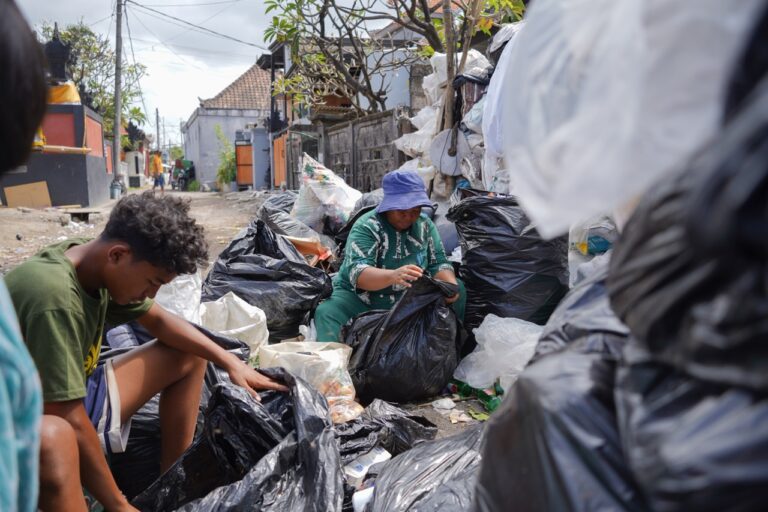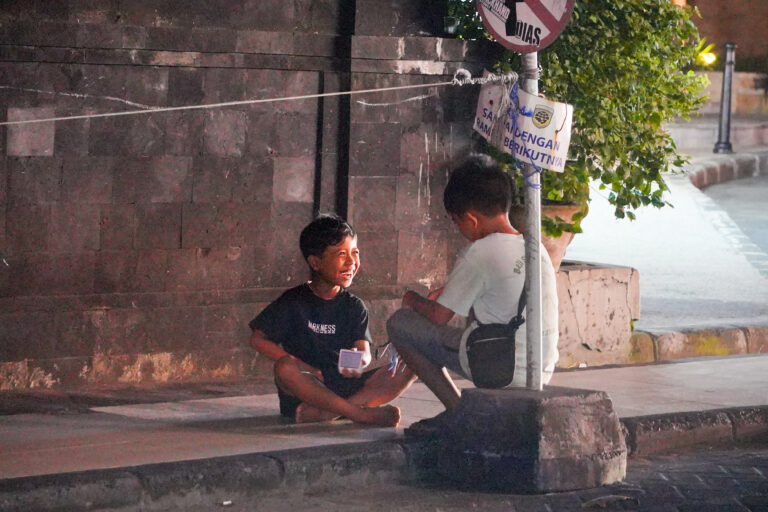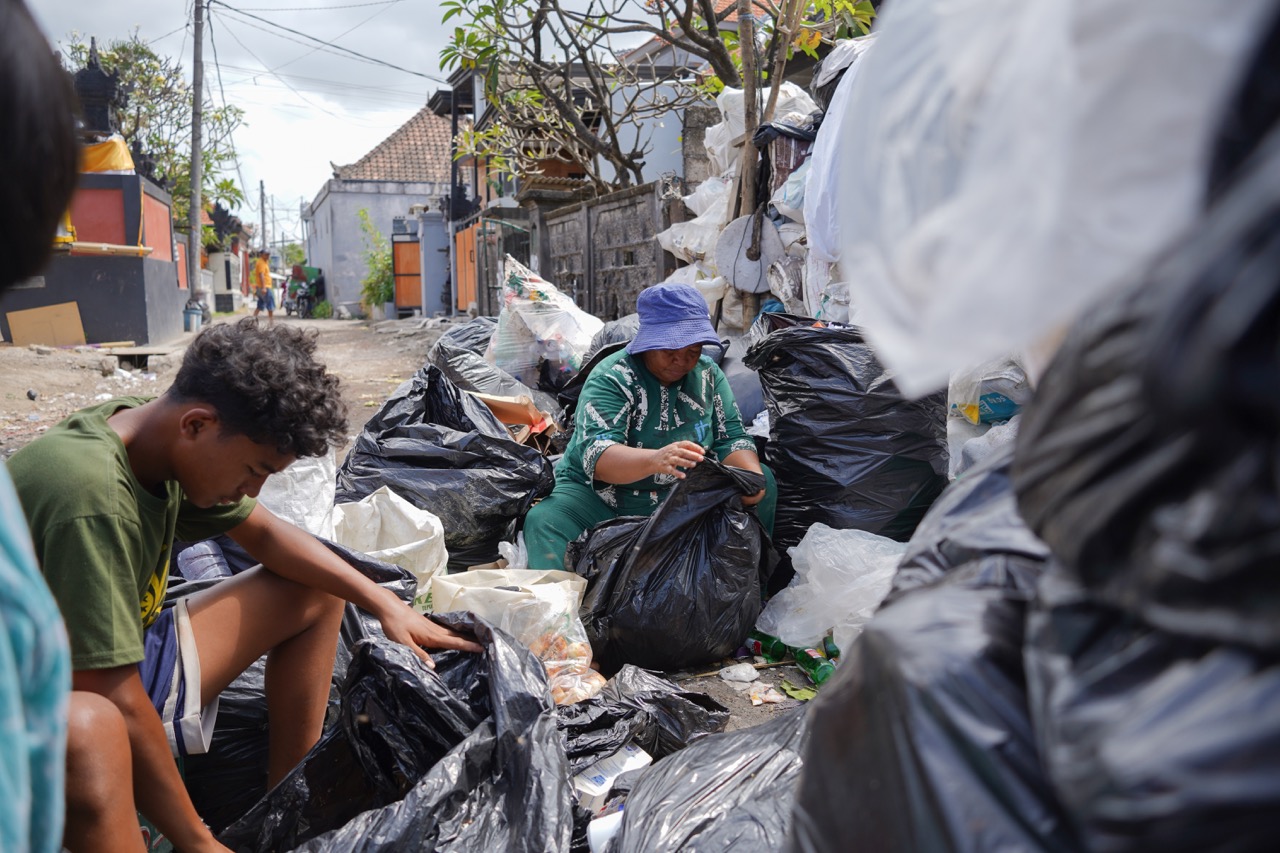
When we talk about waste, we usually talk about pollution, recycling and how to keep our cities clean. But there is another side we often forget: the children who grow up around rubbish dumps.
Some children spend time near waste collection sites because their parents work there. Others help their families sort recyclable materials or earn money. For them, rubbish is not just rubbish. It is part of how the family survives.
The International Labour Organization reported that an estimated 1.05 million Indonesian children were engaged in child labour in 2025, down from roughly 1.27 million in 2024. Children working in hazardous conditions are particularly at risk.
My opinion is that we cannot solve this problem by simply telling families to stop working at the dump. If we take away their income without providing another option, we may make their situation worse.
We need safer livelihoods for parents, access to education, nutrition support and learning centres where children can spend their time safely.
At BaliLife, our work with vulnerable children has taught us that supporting the child and supporting the family must go together.
Every child deserves a future that is bigger than the place where they grew up.